How Neurodivergent Children Learn Best: A Strength-Based Approach
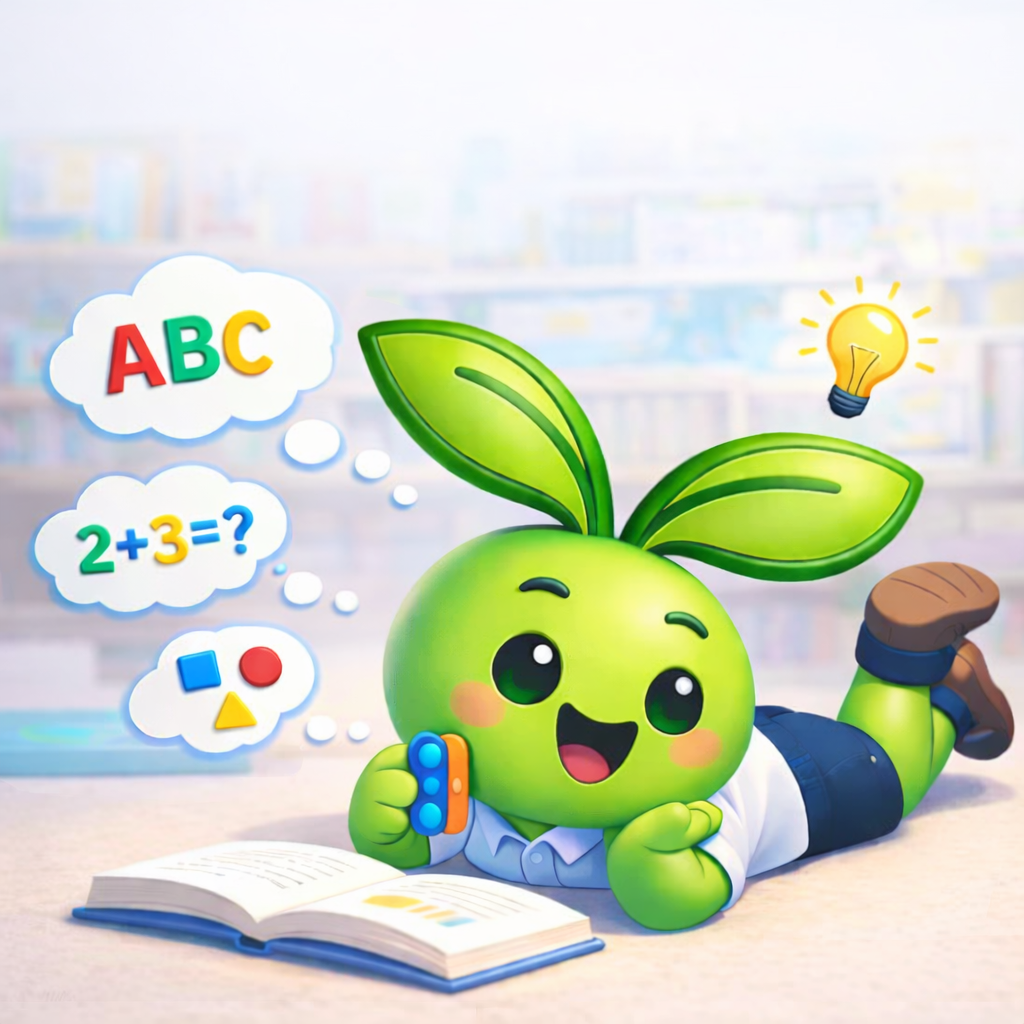
As an educator, and as a mum to neurodivergent children, I've spent years watching how differently children can experience learning.
Not just in classrooms and tutoring sessions — but at the kitchen table, on the couch, in the car, on the floor, mid-conversation, mid-meltdown, mid-play.
And one of the biggest things I've learned is this:
learning rarely looks the way we expect it to.
Learning doesn't look the same for every child
When people imagine learning, they often picture children sitting still, looking at the teacher, completing worksheets, and following instructions step by step.
But for many neurodivergent children, learning looks very different.
Some children learn while they are:
- moving their body
- pacing or rocking
- fidgeting with objects
- lying on the floor
- talking things through out loud
- jumping between tasks
I've seen children who look completely disengaged on the outside, and then later can recall details, explain concepts, or make connections that show they were taking in far more than anyone realised.
Attention doesn't always look like paying attention
This is something I see constantly, both in my work and in my own home.
A child might not be making eye contact.
They might not respond straight away.
They might look like they're doing something else entirely.
But when you really tune in, you realise they're processing in their own way.
For many neurodivergent children, movement, sensory input and flexibility are not distractions — they're actually how the brain stays regulated enough to learn at all.
This is often called self-regulation: children using their bodies, environment or interests to support their nervous system so learning is possible.
What I've learned as both a tutor and a parent
Over the years, I've worked with a wide range of children, and one thing has become very clear to me:
Children don't struggle because they don't want to learn.
They struggle when the way learning is presented doesn't match how their brain works.
Some children need:
- choice
- breaks
- play
- novelty
- control over pacing
- emotional safety before cognitive engagement
And when those needs are met, learning often unfolds naturally.
Not perfectly. Not linearly. But meaningfully.
A strength-based approach to learning
A strength-based approach starts with curiosity, not correction.
Instead of asking:
"How do I make this child fit the system?"
We ask:
"What helps this child feel safe, confident and engaged?"
This means noticing:
- what motivates them
- what they enjoy
- how they communicate
- what environments overwhelm or support them
- what helps them regulate
And building learning around those things.
Learning is not about compliance
This is one of the biggest shifts I've made in my own teaching.
Real learning isn't about:
- sitting still
- being quiet
- finishing tasks quickly
- performing on demand
It's about:
- connection
- understanding
- curiosity
- confidence
- feeling capable
When children feel safe and understood, they are far more willing to take risks, try new things, and engage with learning.
And that's where real progress happens.
The role of patience in learning
One of the hardest things for adults (myself included) is patience.
It's one thing to recognise that a child might need different strategies, a different environment, or a different approach to learning.
It's another thing to remember that change doesn't happen overnight.
If a child has spent a long time feeling overwhelmed, pressured, misunderstood, or unsuccessful in learning environments, their nervous system has learned to associate learning with stress.
That kind of relationship with learning takes time to heal.
As both a tutor and a parent, I've learned that progress often looks like:
- small steps
- slow trust-building
- periods of apparent "nothing happening"
- followed by sudden growth
A child who has had their trust in learning damaged doesn't just need better strategies — they need time to feel safe again.
Time to believe that:
- they won't be rushed
- they won't be judged
- they won't be forced
- they won't fail for trying
Patience isn't passive.
It's active, intentional, and deeply supportive.
It's staying alongside a child while they rebuild confidence in themselves and in learning — even when progress feels slow from the outside.
Because sometimes the biggest learning happening at first isn't academic at all.
It's learning to trust again.
Every child can learn — just not in the same way
Neurodivergent children are not on a single universal timeline.
They're on their own learning pathways.
Some move quickly in certain areas and slowly in others.
Some need more support with regulation before academics.
Some learn in bursts, not in straight lines.
And that's okay.
The goal isn't to make children fit a single model of learning.
The goal is to help them understand themselves, trust themselves, and discover how their brain works best.
discover how their brain works best.
Because when children feel confident in who they are, learning becomes something they can grow into — not something they have to survive.
And as both an educator and a mum, that's the outcome I care about most 🌱
Need Personalized Support?
I offer one-on-one tutoring sessions tailored to your child's unique learning style and strengths. Let's work together to help your child thrive!